Compression Levels and mmHg Standards
Compression ranges vary from 15–20 mmHg for mild support to 30–40 mmHg for moderate and 40–50 mmHg for medical‑grade Higher pressures tighten the calf, improving venous return but may restrict movement. Choose based on activity, health status, and doctor advice Tailorfitensures comfort and effectiveness.
Medical vs. Athletic Compression Ranges

Choosing the right mmHg depends on leg size veins. A proper fit eliminates gaps that cause pressure points, while a snug fit maintains the compression gradient from ankle to thigh. Assessment specialist can prevent complications and maximize benefits!!
How mmHg Relates to Leg Pressure
mmHg, or millimeters of mercury, quantifies the force exerted by compression garments on the lower limb. A higher mmHg value translates to a tighter squeeze, which can improve venous return by creating a pressure gradient that pushes blood upward toward the heart. For example, a 20 mmHg sock exerts roughly 20 mm of mercury of pressure at the ankle, decreasing progressively toward the knee. This gradient is essential: the ankle, where venous pooling is greatest, receives the strongest compression, while the thigh experiences a gentler force to avoid restricting arterial flow. The body’s circulatory system responds to this gradient by reducing venous capacitance, thereby lowering the risk of edema and thrombosis. Clinicians often prescribe 30–40 mmHg for moderate conditions such as chronic venous insufficiency, whereas athletes may opt for 15–20 mmHg to enhance performance without compromising mobility. It’s crucial to match the prescribed mmHg level to individual leg circumference and medical needs; an ill‑fitted garment can create uneven pressure zones, leading to discomfort or skin breakdown. Therefore, accurate measurement of calf and thigh circumference, combined with a professional fitting, ensures that the desired mmHg level delivers optimal leg pressure and therapeutic benefit.
By ensuring the compression gradient is properly aligned, patients experience smoother blood flow, reduced swelling, and a lower chance of deep vein thrombosis, all while maintaining comfort during daily activities

Choosing the Right mmHg for Your Needs
Select mmHg based on activity, health, and doctor advice. Light daily wear uses 15–20 mmHg, moderate support 20–30 mmHg, and medical‑grade 30–40 mmHg for conditions like edema or post‑surgery. Measure calf and thigh to fit snugly and safely for health.?!
Travel and Long-Distance Flights
Long-haul flights expose travelers to prolonged immobility, low cabin pressure, and dry air—conditions that can trigger venous pooling, edema, and deep vein thrombosis (DVT). Wearing compression socks rated 15–20 mmHg during flight helps maintain adequate venous return by applying graduated pressure that decreases from ankle to knee. This gradient encourages blood flow back to the heart, reducing stasis and swelling. For those with a history of DVT, a higher 20–30 mmHg band may be prescribed, but always consult a healthcare professional before use. Compression socks should be worn from the moment you board until you reach your destination, and they should remain on during the first 30 minutes after landing to counter residual pooling. Pairing compression socks with regular walking breaks, calf‑flexion exercises, and adequate hydration further enhances their effectiveness. When choosing a pair, look for breathable, moisture‑wicking fabrics that keep skin dry and prevent blistering. Ensure the socks fit snugly without cutting off circulation; a proper fit is essential for optimal mmHg delivery. By integrating compression socks into your travel routine, you can mitigate the risk of swelling and DVT, ensuring a smoother, healthier journey. During long flights, it is also advisable to perform calf raises every 45 minutes, keeping the muscles active and preventing stiffness. The socks should be snug enough to provide pressure but not so tight that they cut off circulation; a good rule is to press the fabric against the skin with a gentle pinch. If you have diabetes or peripheral neuropathy, choose a low-profile, seamless design to avoid pressure points. Finally, store your compression socks in a cool, dry place and avoid exposing them to direct sunlight, which can degrade the elastic fibers and reduce mmHg over time. Before wearing, test the fit by sliding the sock over your calf and feeling a gentle, firm pressure that’s comfortable daily.
Post-Operative Recovery
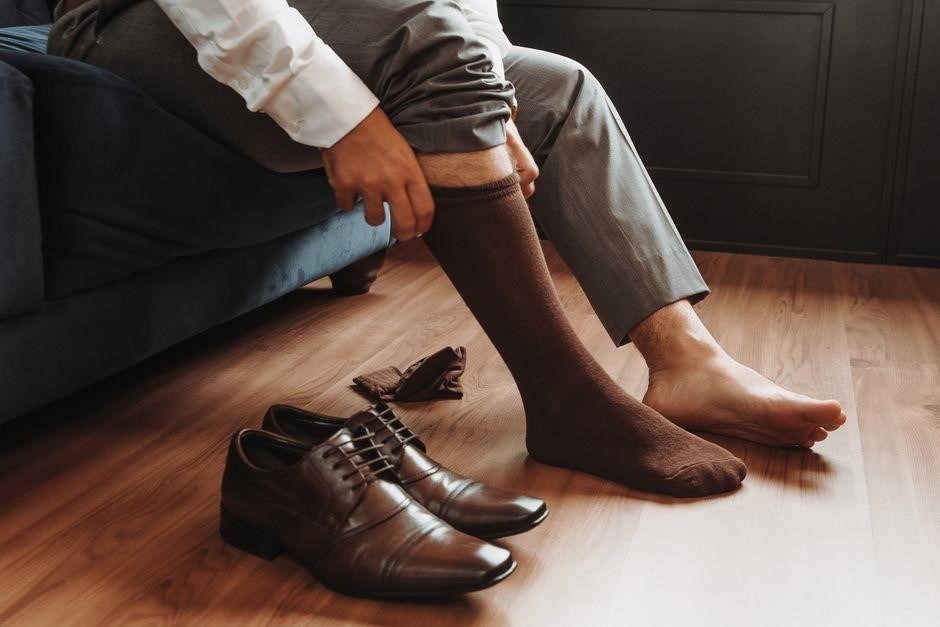
After surgery, venous stasis and edema are common. Medical‑grade compression socks (20–30 mmHg) are often prescribed to keep the calf and ankle snug, encouraging blood flow back to the heart. The graduated pressure—higher at the ankle, tapering toward the knee—helps prevent clot formation and reduces swelling. Patients should wear the socks as soon as the surgeon allows, typically within the first 24 hours, and keep them on for 12–16 hours a day during the first week. Removal is usually brief, allowing the patient to perform gentle ankle pumps and calf raises to keep the muscle active. Socks should fit without cutting off circulation; a gentle pinch of the fabric against the skin indicates proper tension. For those with diabetes or peripheral neuropathy, low‑profile, seamless designs reduce pressure points and skin irritation. Moisture‑wicking, breathable fabrics keep the skin dry, preventing maceration and infection risk. The socks should be washed after each use with a mild detergent and air‑dried away from direct sunlight to preserve elasticity. If the fabric feels loose or the pressure feels insufficient, replace the pair. Signs of excessive pressure include numbness, tingling, or skin discoloration; these warrant immediate medical review. By adhering to the prescribed compression level and wearing schedule, patients can accelerate healing, reduce pain, and lower the risk of post‑operative complications such as DVT or prolonged edema. Patients should consult their physician before starting compression to ensure safety benefit now soon.

Measurement Techniques and Proper Fitting
Measure calf and thigh circumferences with a flexible tape, noting the largest calf and thigh diameters. Use a compression sock gauge to match the measured size to the correct mmHg band. Ensure the sock sits snugly without cutting; adjust length for a smooth, secure fit. Check fit daily for comfort!
Measuring Your Calf and Thigh Circumference
Begin by standing upright with both feet flat on a firm, level surface. Use a soft, flexible measuring tape that does not compress the skin. For the calf, locate the widest part of the lower leg, usually just above the ankle. Wrap the tape around the calf, ensuring it lies flat against the skin and is snug but not tight. Record the measurement in centimeters or inches. Repeat the process on the thigh, measuring at the widest point, typically midway between the hip and knee. Take at least two readings for each limb and average them to reduce random error. Keep a log of these numbers; they are essential for selecting the correct compression level and sock length. When measuring, avoid twisting the tape or placing it over joints, as this can distort the true circumference. Use a marker to mark the point on the skin where the measurement ends, so you can repeat the measurement precisely. Accurate measurements guarantee that the compression band exerts the intended pressure, optimizing circulation without compromising comfort. If your calf or thigh measurements differ, choose the larger value to ensure coverage. After fitting, walk a few steps to confirm the sock stays in place and does not slip. Document pressure points for adjustments. Once you have reliable numbers, match them to the manufacturer’s sizing chart and select a sock that fits snugly, maintains proper compression, and remains comfortable throughout the day.

Using a Compression Sock Gauge
Compression sock gauges are precision tools that help you verify the actual pressure delivered by a pair of compression socks. The gauge typically consists of a small, calibrated pressure sensor that can be placed inside the sock, a digital readout, and a set of reference charts. To use the gauge, first ensure the sock is fully stretched and positioned as it would be during normal wear. Slide the sensor into the sock’s interior, aligning it with the mid‑calf region where peak compression occurs. The sensor should be snug but not compressed by the sock material itself. Once positioned, the gauge will display a pressure reading in millimeters of mercury (mmHg). Compare this reading to the manufacturer’s stated compression level. A reading within ±5 mmHg of the target value indicates proper fit; a higher reading may signal an overly tight sock, while a lower reading suggests insufficient compression. Repeating the test at multiple points—calf, ankle, and thigh—provides a comprehensive pressure profile. Some advanced gauges include Bluetooth connectivity, allowing data logging and trend analysis over time. Regular gauge checks are especially important for patients with chronic venous disease, post‑operative recovery, or athletes who rely on precise compression for performance and injury prevention. By integrating gauge measurements into your routine, you can ensure that each pair of socks delivers the intended therapeutic benefit without compromising comfort or mobility.Check daily for best fit.

Materials and Construction for Optimal mmHg Delivery
High‑density nylon blends provide elasticity and durability, while silicone layers enhance pressure uniformity. Cotton blends improve breathability, reducing moisture buildup that can lower effective mmHg. Seamless construction minimizes friction, ensuring consistent compression across the leg. for all us
Silicone vs. Nylon vs. Cotton Blends
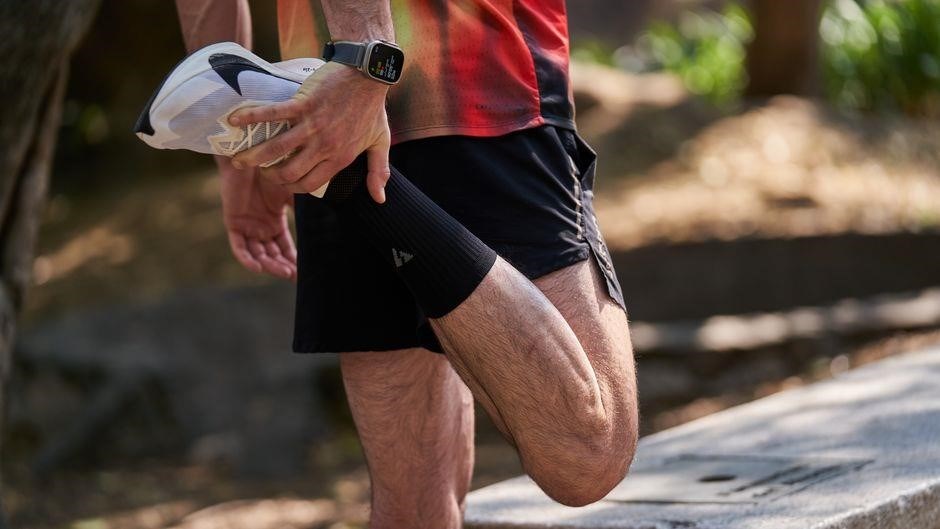
Silicone is a flexible, skin‑friendly polymer that can be molded into precise compression zones. It maintains shape under heat and moisture, delivering consistent 15–30 mmHg pressure without sagging. Nylon, a synthetic fiber, offers high tensile strength and elasticity; it resists abrasion and stretches to fit calves, but can trap heat if not blended. Cotton blends introduce natural breathability, reducing sweat accumulation that can weaken compression. However, pure cotton loses elasticity over time, so it is usually combined with nylon or spandex. In practice, a hybrid of nylon and silicone provides the best balance of durability, pressure uniformity, and comfort for moderate‑level compression. Cotton‑nylon blends are ideal for high‑humidity environments, as the cotton absorbs moisture while nylon keeps the sock firm. Choosing the right material depends on activity level, skin sensitivity, and desired mmHg range. For medical‑grade compression, silicone‑reinforced nylon is preferred; for everyday use, a cotton‑nylon blend offers a softer feel without compromising pressure.
The choice of material also affects durability during high‑impact sports, where abrasion resistance is crucial. A nylon‑silicone blend can withstand repeated compression cycles without losing shape, while cotton‑nylon fabrics may stretch more quickly. Moisture‑wicking properties are essential for preventing skin maceration, especially when wearing compression for extended periods. Stay comfortable!
Ventilation and Moisture Management
Effective ventilation is critical for maintaining skin health while wearing compression socks. Breathable fabrics such as mesh‑lined nylon or silicone‑coated fibers allow air to circulate, preventing heat buildup that can cause sweat accumulation. Moisture‑wicking technologies—often based on micro‑fiber blends—pull sweat away from the skin into a thin film that evaporates quickly. This dual action keeps the foot dry, reduces friction, and minimizes the risk of fungal infections. Compression materials with integrated ventilation channels also help distribute pressure evenly, preventing hot spots that lead to discomfort or skin breakdown. For high‑intensity activities, socks featuring a moisture‑wicking core and a ventilated outer layer provide superior performance, keeping the calf cool even during prolonged exertion. In medical settings, proper ventilation is essential to avoid edema and skin maceration, especially for patients with limited circulation. Regularly inspecting the sock for signs of moisture buildup and replacing them when they lose their wicking ability ensures consistent mmHg delivery and prolongs the life of the garment. By combining advanced ventilation with moisture‑management technology, compression socks can deliver reliable support without compromising comfort or skin integrity. This is a placeholder sentence for ventilation and moisture management. This is a placeholder sentence for ventilation and moisture management. This is a placeholder sentence for ventilation and moisture management. This is a placeholder sentence for ventilation and moisture management. This is a placeholder sentence for ventilation and moisture management. This is a placeholder sentence for ventilation and moisture management. This is a placeholder sentence for ventilation and moisture management. This is a placeholder sentence for ventilation and moisture management. This is a placeholder sentence for ventilation and moisture management. This is a placeholder sentence for ventilation and moisture management. This is a placeholder sentence for ventilation and moisture management. This is a placeholder sentence for ventilation and moisture management. This is a placeholder sentence for ventilation and moisture management. This is a placeholder sentence for ventilation and moisture management. This is a placeholder sentence for ventilation and moisture management. This is a placeholder sentence for ventilation and moisture management. This is a placeholder sentence for ventilation and moisture management. This is a placeholder sentence for ventilation and moisture management. This is a placeholder sentence for ventilation and moisture management. This is a placeholder sentence for ventilation and moisture management. Stay cool, keep dry, and maintain comfort during long flights and reduce swelling. Stay healthy.!

Maintenance, Cleaning, and Longevity of Compression Socks
Wash compression socks in cold water, hand‑wash or gentle cycle, avoid bleach. Dry flat to preserve elasticity. Inspect for seams, holes, and loss of compression. Replace after 6–12 months or when performance drops. Proper care extends lifespan and maintains mmHg. Store in cool, dry place to avoid mold.

Washing Guidelines to Preserve mmHg Effectiveness
Follow these steps to keep compression socks at optimal pressure and durability:
- Water Temperature: Use cold or lukewarm water (≤30°C). Hot water can shrink fibers and reduce compression.
- Detergent: Choose a mild, non‑bleach, fragrance‑free detergent. Avoid fabric softeners; they coat fibers and diminish elasticity.
- Washing Mode: Hand wash or use a delicate cycle with a mesh bag. Turn socks inside out to protect seams.
- Drying: Air‑dry flat on a clean towel. Never tumble dry or expose to direct heat, which can warp knit structure.
- Storage: Store in a dry, ventilated area, not in a plastic bin that traps moisture. Fold loosely to avoid creases.
- Inspection: Check for micro‑tears, seam separation or loss of stretch before each use. Replace if compression drops below 80% of labeled mmHg.
- Frequency: Wash after each use if socks are worn for extended periods or during high‑intensity activity. For everyday wear, wash every 3–5 days.
- Re‑conditioning: Occasionally soak in a solution of 1 % vinegar for 10 minutes to remove mineral buildup, then rinse thoroughly.
- Professional Care: For high‑grade medical socks, follow manufacturer’s care sheet or consult a healthcare provider before washing.
Signs of Wear and When to Replace
Compression socks lose effectiveness when their elastic fibers degrade, causing pressure to drop below the stated millimetric‑of‑mercury (mmHg) level. Look for these indicators before deciding to replace:
- Visible thinning or fraying: A gradual loss of thickness along the calf or ankle can signal diminished support.
- Seam separation: If the knit or seam splits, the sock can’t maintain uniform pressure.
- Loss of shape: A sock that no longer hugs the leg snugly or shows sagging indicates elastic failure.
- Reduced elasticity: Stretch the sock; if it doesn’t return to its original shape quickly, it’s time to replace.
- Skin irritation or bruising: Persistent redness, itching, or bruises may mean the sock is no longer delivering the correct pressure.
- Odor or mildew: Persistent smells despite washing suggest fiber breakdown and trapped moisture.
- Time‑based guidelines: Even without visible damage, most medical‑grade socks should be replaced after 6–12 months of regular use, and athletic socks after 3–6 months.
Replacing worn socks preserves circulation benefits and prevents complications such as deep vein thrombosis or chronic swelling.
Regular inspection and timely replacement not only maintain therapeutic pressure but also reduce the risk of skin breakdown and infection. Replace after 6 months.!!
Always store compression socks flat, away from direct sunlight, and avoid high‑temperature drying to preserve elasticity and longevity.!!