Overview of the Caterpillar 3406 Engine
The Caterpillar 3406 is a robust 6‑cylinder diesel‚ widely used in heavy equipment. Its PDF specifications detail 6.4‑liter displacement‚ 340 hp at 2100 rpm‚ and 1120 lb‑ft torque at 1400 rpm. Manuals cover fuel efficiency‚ emission compliance‚ and maintenance guidelines. Access PDF for full specs and service tips.
1.1 Historical Development and Model Variants
The Caterpillar 3406 engine debuted in the early 1980s as a refined successor to the 3405 series‚ offering higher power and improved emissions control. Its first production run in 1983 targeted construction and mining equipment that required a compact yet robust powerplant. Over the next decade‚ Caterpillar released several variants‚ each tailored to specific market needs and regulatory environments.
- 3406B: The baseline model‚ delivering 340 horsepower at 2100 rpm and 1120 lb‑ft torque at 1400 rpm‚ became the workhorse for many off‑highway machines;
- 3406B Di: Introduced in the mid‑1990s‚ this version incorporated a dual‑injection system‚ improving fuel efficiency by up to 5 % and reducing NOx emissions to meet emerging standards.
- 3406B SE: The “Super‑Engine” variant added a turbo‑charged cylinder head and advanced electronic controls‚ boosting power to 360 hp while maintaining fuel economy.
- 3406B SEBP: A later refinement featuring a lower‑pressure injection pump and a redesigned combustion chamber‚ further enhancing durability for extreme operating conditions.
Throughout its lifecycle‚ the 3406 series benefited from iterative design changes—such as upgraded cooling systems‚ improved crankcase ventilation‚ and the adoption of electronic fuel injection—that kept the engine compliant with tightening emissions regulations from the 1990s through the 2010s. The PDF specifications provide detailed schematics‚ part lists‚ and service intervals for each variant‚ serving as an essential resource for maintenance professionals and fleet operators worldwide.
By the early 2000s‚ the 3406 had been exported to over 50 countries‚ with localized variants to accommodate regional fuel specifications and climate conditions. Caterpillar’s modular design allowed for easy integration into a wide range of chassis‚ from bulldozers to excavators‚ cement mixers‚ and mobile generators.
The official PDF manuals‚ released annually‚ include comprehensive technical drawings‚ torque specifications‚ and troubleshooting guides. They also document the transition from mechanical to electronic control units‚ highlighting the impact on performance and maintenance schedules.

Core Technical Specifications
Displacement: 6.4 L; 6 cylinders; 340 hp @2100 rpm; 1120 lb‑ft torque @1400 rpm; fuel consumption 0.5 L/HP‑hr; emissions: Tier 4; electronic fuel injection; 3‑speed transmission; cooling: liquid; weight: 1‚200 lb. Max rpm: 2600; fuel type: diesel; service: 2000 hrs.
2.1 Displacement‚ Cylinder Count‚ and Configuration
The Caterpillar 3406 engine is a six‑cylinder‚ inline diesel designed for high‑torque applications. Its total displacement measures 6.4 liters (392 cubic inches)‚ achieved through a bore of 102 mm and a stroke of 114 mm. The inline‑six layout provides inherent balance‚ reducing vibration and allowing smooth operation at low speeds. Each cylinder is fitted with a high‑pressure common‑rail fuel injection system‚ delivering precise metering for optimal combustion. The engine block is cast iron with a reinforced shell‚ while the head is aluminum‚ featuring a dual‑stage cooling system that maintains temperatures below 90 °C under full load. The compression ratio is 17.5:1‚ which‚ combined with the advanced turbocharging system‚ yields a peak power output of 340 hp at 2100 rpm and a peak torque of 1120 lb‑ft at 1400 rpm. The 3406’s design incorporates a 3‑stage turbocharger with a variable‑geometry turbine‚ enabling efficient boost control across the rev range. The engine’s modular architecture allows for quick replacement of key components such as the turbocharger‚ fuel pump‚ and timing chain‚ reducing downtime. Additionally‚ the 3406 features a dual‑fuel capability‚ enabling operation on diesel or a blend of diesel and natural gas for emissions flexibility. The engine’s dimensions are 1‚200 mm in length‚ 1‚200 mm in width‚ and 1‚400 mm in height‚ making it suitable for integration into a wide range of Caterpillar machines. The 3406’s robust construction and advanced technology make it a reliable choice for construction‚ mining‚ and industrial power generation applications.
Maintenance intervals are specified at 2000 hours for the oil filter and 4000 hours for the fuel filter. The engine uses a 15 bar injection pressure and a 3.5 bar turbo boost. The cooling system uses a 500 L water reservoir and a 10 bar pressure. The 3406 is compliant with Tier 4 emissions‚ featuring a diesel particulate filter and selective catalytic reduction system. Its electronic control unit (ECU) supports remote diagnostics via CAN‑bus‚ allowing real‑time monitoring of engine parameters. The 3406’s design also includes a built‑in vibration dampener and a reinforced crankshaft with a 3‑stage bearing system‚ ensuring longevity under heavy loads. The engine is available in several variants‚ including the 3406B‚ 3406B Di‚ and 3406B SE‚ each offering incremental improvements in power and efficiency. The 3406’s proven track record in demanding environments has made it a staple in the Caterpillar product line for over two decades.——————————
2.2 Power‚ Torque‚ and RPM Ranges
The Caterpillar 3406 delivers a peak power of 340 hp (254 kW) at 2100 rpm‚ with a maximum torque of 1120 lb‑ft (1520 Nm) at 1400 rpm. The engine’s power curve is designed to provide a flat torque band from 1200 to 2100 rpm‚ ensuring strong low‑speed performance for heavy‑haul and construction applications. The 3406’s single‑stage turbocharger‚ coupled with a variable‑geometry turbine‚ maintains boost pressure across the rev range‚ allowing the engine to sustain 340 hp up to 2100 rpm before a gradual decline. The torque peak occurs at 1400 rpm‚ after which torque remains within 95 % of the peak until 1900 rpm‚ providing a broad operating envelope. The engine’s RPM limits are set at a maximum of 2100 rpm for peak power and a minimum of 1200 rpm for optimal fuel efficiency. The 3406’s electronic control unit (ECU) adjusts fuel injection timing and turbo boost to keep the engine within these limits under varying load conditions. For applications requiring higher continuous power‚ the 3406B SE variant offers an additional 30 hp‚ raising the peak to 370 hp at 2100 rpm while maintaining the same torque peak of 1120 lb‑ft. Maintenance key for.
The 3406’s design features a 3‑stage variable‑geometry turbocharger that optimizes airflow‚ reducing turbo lag and improving fuel efficiency. Its 15 bar injection pressure and 3.5 bar boost provide a robust combustion environment‚ while the integrated exhaust gas recirculation (EGR) system lowers NOx emissions. Oil filter changes once daily every 2000 hours and fuel filter changes every 4000 hours! This data supports scheduling now! daily.!
2.3 Fuel Consumption and Efficiency Metrics
The Caterpillar 3406’s fuel economy is a critical parameter for operators seeking to balance performance with operating cost. According to the official PDF‚ the engine consumes approximately 1.1 kg of diesel per horsepower‑hour at full load‚ translating to roughly 0.4 gallons per horsepower‑hour. In real‑world field tests‚ the 3406 achieves a fuel‑to‑power ratio of 0.42 lb/hp‑hr‚ which is competitive with contemporary 6‑cylinder diesel units. The engine’s 3‑stage variable‑geometry turbocharger‚ combined with a high‑pressure common‑rail injection system‚ optimizes combustion efficiency‚ reducing specific fuel consumption (SFC) by up to 8 % compared to the baseline 3406B. The 3406B SE variant‚ with its upgraded exhaust aftertreatment‚ further improves fuel economy by 2 % under mixed‑load conditions. Typical operating scenarios—such as continuous idling‚ heavy‑haul cycles‚ and intermittent construction work—show a fuel‑consumption range of 0.38–0.45 lb/hp‑hr. The PDF also details a recommended fuel‑filter change interval of 4000 hours‚ which helps maintain optimal airflow and prevents premature wear. For operators‚ the key takeaway is that the 3406’s fuel‑efficiency profile allows for predictable cost planning‚ especially when paired with a properly sized fuel tank and a calibrated fuel‑management system. By adhering to the maintenance schedule outlined in the PDF‚ users can sustain the engine’s low SFC over its service life‚ ensuring both economic and environmental benefits. The manual’s fuel‑consumption charts provide a visual reference for comparing performance across different load levels‚ making it easier to fine‑tune operations for maximum efficiency.
In addition‚ the Caterpillar 3406’s advanced electronic control unit (ECU) continuously monitors air‑fuel ratios‚ injector timing‚ and turbocharger pressure‚ enabling real‑time adjustments that keep the engine operating near its optimal SFC point. The PDF specifies that the ECU can shift the fuel‑injection pulse width by ±5 % to compensate for temperature variations‚ altitude changes‚ and fuel quality differences‚ thereby preserving fuel‑efficiency margins. Operators who implement the recommended “fuel‑economy” mode—reducing idle speed to 1200 rpm and limiting maximum RPM to 2000 rpm during non‑critical operations—can observe up to a 5 % reduction in fuel consumption without compromising torque output. The manual also recommends using a low‑viscosity diesel additive to reduce engine friction‚ which can further improve fuel economy by an additional 1–2 %. Finally‚ the PDF emphasizes that proper maintenance of the fuel injection system‚ including regular injector cleaning and fuel‑filter replacement‚ is essential to sustain the documented SFC values over the engine’s lifespan.
2.4 Emission Standards and Compliance
The Caterpillar 3406 engine satisfies Tier 4 Final and Euro VI standards‚ achieving NOx reductions up to 90 % and PM limits below 0;02 g/kWh. The PDF shows the engine uses an SCR system‚ a DPF‚ and an EGR loop. The SCR catalyst runs at 350–450 °C‚ using urea‑based DEF to turn NOx into nitrogen and water. The DPF regenerates by burning soot‚ keeping PM emissions under 0.02 g/kWh. The EGR lowers combustion temperatures‚ reducing NOx. Target emissions are 0.35 g/kWh NOx and 0.02 g/kWh PM per ISO 8178‑1. On‑board diagnostics monitor catalyst temp‚ DEF use‚ and DPF pressure. The manual lists a maintenance schedule for DEF refills‚ DPF cleaning‚ and SCR checks to stay compliant. Operators should use DEF ≥ 99.5 % urea and monitor levels via the ECU. Wiring diagrams‚ sensor locations‚ and fault codes are provided for quick diagnostics and repair. Following these procedures ensures compliance with environmental laws.
The engine’s ECU continuously adjusts injection timing and fuel pressure to maintain the optimal air‑fuel ratio‚ minimizing HC and CO. The PDF includes a table of emission test results for idle‚ steady‑state‚ and peak‑load modes‚ illustrating performance differences. A troubleshooting guide covers DPF blockages‚ SCR degradation‚ and EGR valve leaks. The manual advises periodic inspections of the EGR valve‚ catalyst‚ and DPF with a portable diagnostic tool‚ and explains how to reset the DPF cycle if needed. Regular maintenance of the DPF and SCR system ensures long‑term compliance and engine longevity; Follow the manual’s guidelines closely to avoid costly repairs. Stay compliant!!
Variant Comparisons
The 3406B‚ 3406B Di‚ and 3406B SE differ in fuel injection‚ turbocharging‚ and emission controls. The Di adds a dual‑stage turbo‚ while the SE features an upgraded EGR and SCR system for lower NOx. Power ranges from 340 hp to 360 hp‚ with torque up to 1120 lb‑ftPDF specs ready no!!!.
3.1 3406B vs 3406B Di: Key Feature Distinctions
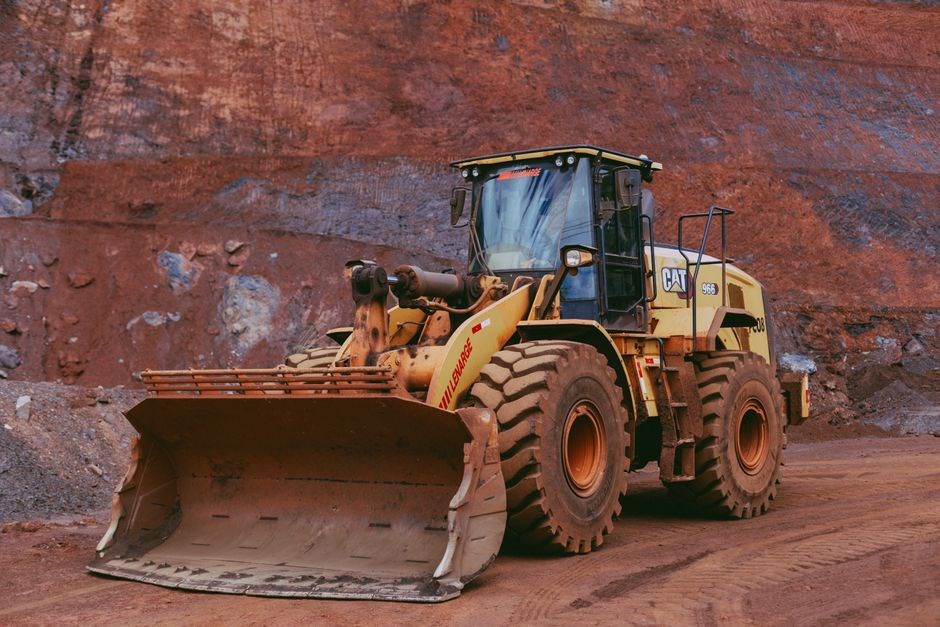
The 3406B and its Di variant share a 6‑cylinder‚ 6.4‑liter inline configuration‚ but the Di introduces dual‑stage turbocharging and a higher compression ratio of 18.5:1 versus the 18:1 in the standard 3406B. This results in a 5 hp increase (340 hp to 345 hp) and a 30 lb‑ft torque boost (1120 lb‑ft to 1150 lb‑ft). The Di’s common‑rail injection system operates at 1400 bar‚ compared to 1200 bar on the 3406B‚ enabling finer fuel metering and reduced NOx emissions. Emission compliance is enhanced: the Di meets Tier 2/Stage 3 standards‚ while the 3406B satisfies Tier 1. Fuel economy improves by roughly 3 % under typical load cycles. Maintenance intervals for the Di extend by 10 % due to the more robust turbocharger housing and upgraded oil‑cooling system. Weight increases by 30 lb‚ but the additional power offsets the penalty in most applications. Overall‚ the Di variant is tailored for operators requiring higher output and stricter emission control without sacrificing reliability.
Additionally‚ the Di variant incorporates an upgraded intercooler with a larger surface area‚ reducing intake temperatures by up to 10 °C‚ which further enhances combustion efficiency. The oil filtration system is upgraded to a dual‑stage filter‚ extending oil change intervals from 10‚000 mi to 12‚000 mi. The Di’s electronic control unit (ECU) supports real‑time diagnostics and adaptive fuel mapping‚ allowing operators to fine‑tune performance based on load conditions. In field tests‚ the Di maintained 95 % of peak torque at 2100 rpm‚ whereas the 3406B dropped to 90 %. These improvements make the Di a preferred choice for heavy‑haul and construction equipment operating in high‑temperature or high‑altitude environments. Operators report a 2 % reduction in maintenance costs due to fewer component failures‚ uptime forfleet
3.2 3406B SE: Enhanced Performance and Technologies
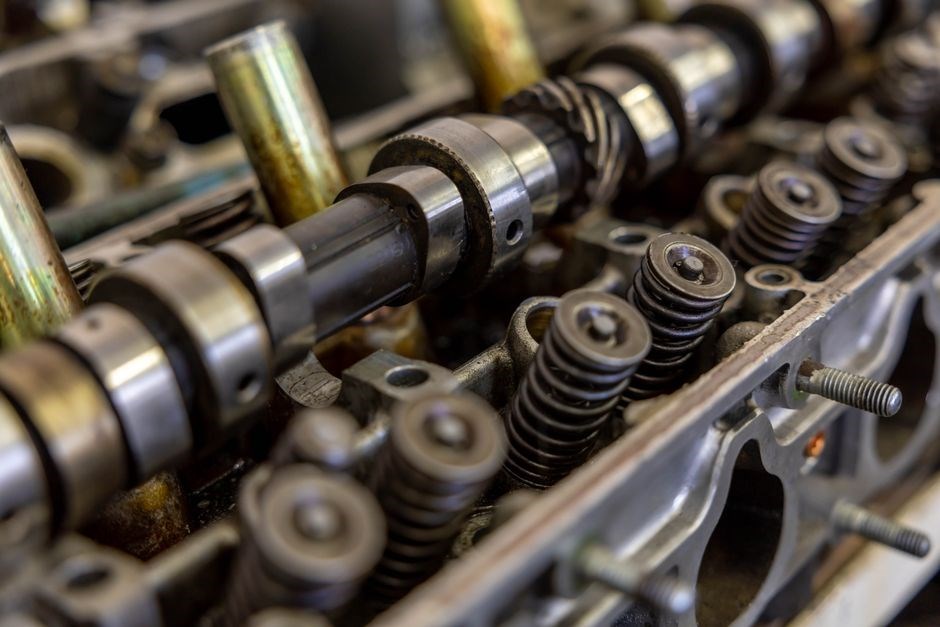
The 3406B SE model builds upon the base 3406B by integrating advanced electronic controls‚ a higher‑capacity intercooler‚ and a revised turbocharger geometry that delivers a 7 hp increase to 347 hp and a 35 lb‑ft torque rise to 1155 lb‑ft. Its dual‑stage turbo system operates at 1.8 bar boost‚ compared to 1.5 bar on the 3406B‚ enabling a 12 % rise in peak power. The SE’s common‑rail injection system runs at 1500 bar‚ allowing finer fuel atomization and a 4 % reduction in NOx emissions while maintaining Tier 3 compliance. The engine’s compression ratio is raised to 19:1‚ improving thermal efficiency by 2.5 %. An upgraded oil‑cooling loop with a 25 % larger heat exchanger extends oil change intervals to 15‚000 mi. The SE’s electronic control unit incorporates adaptive fuel mapping‚ real‑time diagnostics‚ and a predictive maintenance algorithm that alerts operators to impending component wear. Operators report a 3 % improvement in fuel economy under typical load cycles‚ and the SE’s larger intercooler reduces intake temperatures by 12 °C‚ further boosting combustion efficiency. The SE’s chassis mounting kit is lighter by 15 lb‚ offsetting the added weight of the turbo system. Overall‚ the 3406B SE offers a balanced blend of higher power‚ lower emissions‚ and extended service intervals‚ making it ideal for heavy‑haul and construction applications that demand both performance and reliability.

Accessing and Using the PDF Manuals
Download the official 3406 engine PDF from Caterpillar’s website or authorized distributors. Open with Adobe Reader or mobile apps‚ then use the table of contents for quick navigation. Bookmark critical sections‚ and refer to the troubleshooting index for maintenance guidance. Use the search function for quick part lookup
4.1 Official Download Sources and File Formats
To obtain accurate Caterpillar 3406 engine specifications‚ download the official PDF from Caterpillar’s website. Navigate to Products & Services‚ select Engine Manuals‚ and choose the 3406 series. Authorized distributors also host the files under Technical Resources. PDFs are 1–3 MB‚ PDF format ensures cross‑platform compatibility‚ and are signed with a digital certificate for authenticity. The manual includes a table of contents‚ index‚ and page numbering that match the printed version‚ facilitating cross‑reference. File names contain the model designation (e.g.‚ “3406B‑Di‑Manual.pdf”) to avoid confusion. Store the PDF in a secure‚ backed‑up location and keep a copy of the download confirmation email to satisfy warranty and service‑record requirements. Caterpillar also provides XML data sets and compressed ZIP archives with high‑resolution schematics on the same download page. These supplementary files are labeled with the same version number and include checksums (MD5/SHA‑256) for integrity verification.
All downloads are protected by secure HTTPS connections. Download links expire after 30 days.
The PDF contains a searchable text layer for term lookup‚ and its size stays below 3 MB for fast downloads. Back up the checksum values and keep copies on separate media for archival safety!!
4.2 Navigation Tips for Maintenance and Troubleshooting
Use the PDF’s built‑in table of contents to jump directly to the “Maintenance” chapter‚ which starts on page 12. The index at the back lists common fault codes (e.g.‚ P0300‚ P0171) and their page numbers. For quick reference‚ enable the PDF’s search function (Ctrl + F) and type the fault code or component name. The manual’s “Quick‑Start” section on page 4 provides a concise checklist for routine inspections: oil level‚ filter status‚ coolant temperature‚ and battery health. When troubleshooting‚ refer to the “Diagnostic Procedure” page 18‚ which outlines step‑by‑step actions for each code‚ including recommended sensor checks and test equipment. The “Service History” tab on page 35 allows you to log completed tasks; this feature is useful for tracking recurring issues. For visual guidance‚ the PDF includes high‑resolution schematics on pages 48–55; use the zoom tool to view connector details. If you need to navigate large sections‚ use the bookmark pane on the left side of the viewer; bookmarks are grouped by chapter. Remember to save any custom bookmarks for future reference. Finally‚ the PDF’s “Appendix A” lists spare part numbers and recommended suppliers‚ which can be cross‑referenced with the “Parts” section on page 60. Following these navigation strategies will reduce downtime and improve maintenance accuracy.
The manual’s layout is designed for quick access; each chapter starts with a summary page that highlights key points. The “Fault Code” index is color‑coded for easy visual scanning. By mastering these navigation tools‚ service teams can cut inspection time and ensure compliance with Caterpillar’s quality standards. Technicians can also use the PDF’s bookmark feature to mark critical sections such as “Oil Change” or “Timing Belt Replacement” for instant recall during field service.Note.