Mitsubishi Mr․ Slim Manual: A Comprehensive Guide
Navigating the world of Mitsubishi Mr․ Slim systems requires readily available documentation; numerous manuals – service, installation, and operating instructions – are accessible online through archives like the Internet Archive and ManualsLib․
These resources cover diverse models, from the MS24WN to the MSY-GE15NA and MSY-A24NA, offering detailed guidance for installers and users alike, dating back to 2013․
Finding the correct manual ensures safe installation, efficient operation, and effective troubleshooting of your Mr․ Slim air conditioning unit, with updates available as recently as December 2022․
Mitsubishi Mr․ Slim systems represent a pinnacle of air conditioning technology, renowned for their efficiency, reliability, and sophisticated design․ These systems aren’t simply cooling units; they are comprehensive climate control solutions designed for both residential and commercial applications․ Understanding the intricacies of these systems begins with accessing the appropriate documentation, and a wealth of resources are available online․
The Mr․ Slim range encompasses a variety of series, including the SUZ-M-VA-ER, each tailored to specific needs and environments․ Accessing the correct manual – whether a service manual for technicians or an operating instructions manual for end-users – is crucial for optimal performance and longevity․ Resources like the Internet Archive and ManualsLib host a diverse collection of these manuals, covering models from various years, including those dating back to 2013 and as recent as 2022․
These manuals provide essential information on installation procedures, operational guidelines, troubleshooting steps, and safety precautions․ Proper understanding of the system, facilitated by these guides, ensures efficient energy usage and minimizes potential issues․ The availability of these resources empowers both professionals and homeowners to maximize the benefits of their Mitsubishi Mr․ Slim investment․

Understanding Mr․ Slim Series Variations
Mitsubishi Mr; Slim isn’t a single product, but a diverse family of air conditioning systems, each series designed with specific features and capabilities․ Variations like the SUZ-M-VA-ER series cater to particular installation requirements and performance expectations․ Different models, such as the MSY-GE15NA and MSY-A24NA, offer varying cooling capacities and functionalities․
The availability of dedicated manuals for each series is paramount․ A manual designed for one Mr․ Slim model may not accurately reflect the features or procedures for another․ Online archives, including the Internet Archive and ManualsLib, provide access to these specific guides, allowing users to pinpoint the documentation relevant to their system․
Understanding these variations is crucial for correct installation, operation, and maintenance․ For example, installation manuals, like the Mr․Slim Series installation manual, detail specific procedures for different unit types․ Accessing the correct manual ensures compatibility, optimal performance, and adherence to safety standards, maximizing the lifespan and efficiency of your Mitsubishi Mr․ Slim system․
Locating Your Specific Mr․ Slim Manual
Finding the correct manual for your Mitsubishi Mr․ Slim system is essential for proper use and maintenance․ Several online resources offer free access to a wide range of documentation․ The Internet Archive is a valuable source, hosting service manuals like the MS24WN version, available for download in various formats – PDF, JP2, and TORRENT․
ManualsLib also provides a comprehensive collection, including operating instructions for models like the MSY-A24NA and installation manuals for the broader Mr․Slim Series․ These platforms allow searching by model number, ensuring you locate the precise guide for your unit․
When searching, be as specific as possible with the model number․ Knowing the exact designation (e․g․, MSH24WN) will significantly narrow the results․ These online archives offer a convenient and cost-effective way to access vital information, empowering users to effectively manage their Mitsubishi Mr․ Slim air conditioning systems․

Installation Procedures
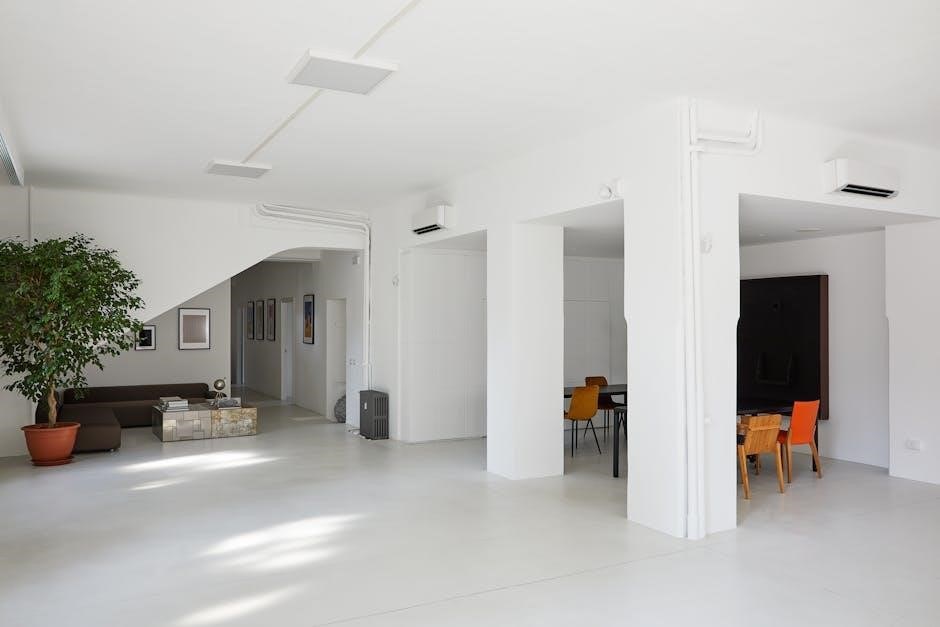
Proper installation, detailed in Mitsubishi Mr․ Slim manuals, requires careful consideration of pre-installation factors, indoor and outdoor unit placement, refrigerant piping, and electrical wiring․
These guides emphasize safety and adherence to specific instructions for optimal performance․
Pre-Installation Considerations
Before commencing the installation of your Mitsubishi Mr․ Slim system, several crucial pre-installation considerations, as outlined in the official manuals, must be addressed to ensure optimal performance and longevity․ These include a thorough assessment of the intended installation location, verifying structural integrity to support the weight of both the indoor and outdoor units․
Carefully review the required clearances around the units for adequate airflow, preventing overheating and maintaining efficiency․ Electrical supply capacity must be verified to meet the system’s specifications, including proper voltage and circuit breaker sizing․
Additionally, plan the refrigerant piping route, minimizing bends and length to reduce pressure drop and maximize cooling/heating capacity․ Consider accessibility for future maintenance and servicing․ Always adhere to local codes and regulations regarding electrical work and refrigerant handling, prioritizing safety throughout the entire process․ Proper planning at this stage will significantly streamline the installation and prevent potential issues down the line․
Indoor Unit Installation

The indoor unit installation, detailed in the Mitsubishi Mr; Slim installation manuals, begins with securely mounting the unit to a suitable wall, ensuring it’s level and can bear the weight․ Precise positioning is vital for optimal airflow and to avoid obstructions․
Next, carefully connect the refrigerant piping from the outdoor unit, meticulously tightening all joints to prevent leaks․ Electrical connections are then made, adhering strictly to wiring diagrams provided in the manual, paying close attention to grounding requirements for safety․
Ensure proper insulation of refrigerant lines to minimize heat loss or gain․ A condensate drain line must be installed correctly, sloping downwards to facilitate water drainage and prevent water damage․ Finally, perform a leak test and a test run to verify correct operation before proceeding to outdoor unit installation, confirming all connections are secure and functioning as intended․
Outdoor Unit Installation
The outdoor unit installation, as outlined in the Mitsubishi Mr․ Slim manuals, demands a level and stable foundation capable of supporting the unit’s weight and withstanding environmental factors․ Adequate ventilation is crucial; ensure sufficient clearance around the unit for proper airflow, avoiding obstructions like foliage or debris․
Securely mount the unit, utilizing appropriate vibration-dampening pads to minimize noise transmission․ Connect the refrigerant piping, carefully bending and routing the lines to avoid strain․ Electrical connections must be made according to the manual’s wiring diagrams, prioritizing safety and proper grounding․
Protect electrical components from the elements with weatherproof enclosures․ After installation, thoroughly inspect all connections and perform a leak test․ A test run confirms proper operation, verifying fan functionality and compressor performance before finalizing the installation process, ensuring a reliable and efficient system․
Refrigerant Piping and Connections
Mitsubishi Mr․ Slim manuals emphasize the importance of correct refrigerant piping for optimal system performance․ Use only the specified pipe sizes and materials, ensuring compatibility with the refrigerant type․ Careful bending of the piping is crucial to avoid kinks or sharp angles that restrict refrigerant flow․
Connections must be brazed using appropriate techniques to create leak-proof joints․ After brazing, a nitrogen purge is essential to remove any contaminants and prevent oxidation within the refrigerant lines․ Flaring connections require precise execution to ensure a secure seal․
Proper insulation of the refrigerant piping is vital to minimize heat gain or loss, maximizing energy efficiency․ Regularly inspect connections for leaks, utilizing leak detection methods as outlined in the manual․ Adherence to these guidelines guarantees a reliable and environmentally responsible refrigerant circuit․
Electrical Connections and Wiring
Mitsubishi Mr․ Slim manuals prioritize safe and correct electrical connections․ Always disconnect power before commencing any wiring work․ Verify the power supply voltage matches the unit’s specifications, and use appropriately sized wiring and circuit breakers as detailed in the installation guide․
Wiring diagrams within the manual illustrate proper connections for power supply, control wiring, and communication lines․ Ensure all connections are tight and secure, utilizing appropriate terminals and connectors․ Grounding is critical for safety and must be performed according to local electrical codes․
Pay close attention to polarity and wire color coding․ Incorrect wiring can damage the unit or create a safety hazard․ After completing the wiring, double-check all connections against the diagram before restoring power․ Regular inspection of electrical components is recommended for continued safe operation․

Operation and Functionality
Mitsubishi Mr․ Slim manuals detail remote control operation, encompassing cooling, heating, fan, and dry modes; understanding these functions optimizes comfort and energy efficiency․
Users can access advanced settings and timer functionalities for personalized climate control, as outlined in the operating instructions available online․
Basic Operation of the Remote Control
The Mitsubishi Mr․ Slim remote control serves as the primary interface for managing your air conditioning system․ Manuals emphasize understanding the button layout for seamless operation․ Typically, the “Power” button initiates on/off functionality, while “Mode” allows cycling through cooling, heating, auto, dry, and fan-only settings․
Temperature adjustment is achieved using the “Up” and “Down” arrows, displayed on the unit itself․ The “Fan Speed” button controls airflow intensity – options usually include auto, low, medium, and high․ Directing airflow is managed via the “Swing” or “Airflow Direction” button, enabling horizontal and vertical adjustments․
Essential functions like timer settings and energy-saving modes are also accessible through dedicated buttons․ Referencing your specific model’s manual is crucial, as button labels and functionalities can vary slightly across different Mr․ Slim series․ Proper understanding of these controls ensures optimal comfort and efficient energy usage․
Detailed diagrams within the manuals illustrate each button’s purpose, aiding quick familiarization․
Cooling Mode Operation
Activating Cooling Mode on your Mitsubishi Mr․ Slim unit is straightforward․ Using the remote, select “Cool” mode – the display will typically indicate a snowflake icon․ Subsequently, set your desired temperature using the up/down arrows; lower temperatures equate to increased cooling․ The auto fan speed setting allows the unit to automatically adjust airflow based on the temperature difference․
For precise control, manually adjust the fan speed to low, medium, or high․ Utilize the swing function to distribute cool air evenly throughout the room․ The “Dry” mode, while related, differs from cooling by prioritizing dehumidification, reducing humidity without significant temperature drops․
Manuals highlight the importance of closing windows and doors for optimal cooling efficiency․ Regularly cleaning the air filter, as detailed in the maintenance section, ensures consistent performance․ Understanding these operational aspects maximizes comfort and minimizes energy consumption during warmer months․
Refer to your model’s specific manual for detailed cooling capacity information․
Heating Mode Operation
Engaging Heating Mode on your Mitsubishi Mr․ Slim system is achieved by selecting “Heat” on the remote control, usually indicated by a sun or flame icon․ Set your preferred room temperature using the up/down arrows; higher temperatures will increase the heating output․ Like cooling, the unit can operate with automatic or manual fan speed control․
Auto fan speed adjusts airflow based on the temperature difference, while manual settings (low, medium, high) provide personalized comfort․ The swing function distributes warm air effectively․ It’s crucial to ensure outdoor unit isn’t obstructed by snow or ice for optimal performance․
Manuals emphasize that the system may briefly enter defrost mode during heating, which is a normal operation to prevent ice buildup on the outdoor coil․ During defrost, the heating output may temporarily decrease․ Proper maintenance, including filter cleaning, is vital for efficient heating․

Consult your specific model’s manual for detailed heating capacity specifications․
Fan Mode Operation and Settings
Utilizing Fan Mode on your Mitsubishi Mr․ Slim unit provides air circulation without heating or cooling․ Select “Fan” on the remote control – typically represented by a fan icon – to activate this function․ This mode is ideal for simply distributing air throughout the room, improving ventilation, and maintaining a consistent temperature․
Fan speed control is a key feature, offering options like Auto, Low, Medium, and High․ “Auto” adjusts the fan speed based on room conditions, while manual settings allow for personalized airflow․ The swing function can be activated to distribute air more evenly across the space․
Manuals highlight that fan-only mode consumes less energy than heating or cooling․ Some models offer a “silent” or “quiet” fan setting for minimal noise․ Regular filter cleaning ensures optimal airflow and prevents dust buildup․ Refer to your specific model’s manual for detailed fan speed settings and capabilities․
This mode is perfect for days with pleasant temperatures․
Dry Mode Operation Explained
Dry Mode, often symbolized by a droplet icon on the Mitsubishi Mr․ Slim remote, is designed to dehumidify a room without significantly lowering the temperature․ This function is particularly useful in humid climates or during damp seasons․ It operates by intermittently cycling the cooling system at a low fan speed․
The process extracts moisture from the air, reducing humidity levels and creating a more comfortable environment․ Unlike cooling mode, Dry Mode prioritizes dehumidification over temperature reduction, maintaining a relatively stable temperature while removing excess moisture․
Manuals indicate that Dry Mode is most effective in enclosed spaces․ The fan speed is typically automatically controlled to optimize moisture removal․ It’s important to note that the room may feel slightly warmer during operation as the primary goal isn’t cooling․ Regular filter maintenance enhances the efficiency of this mode․
This mode is ideal for preventing mold and mildew growth․
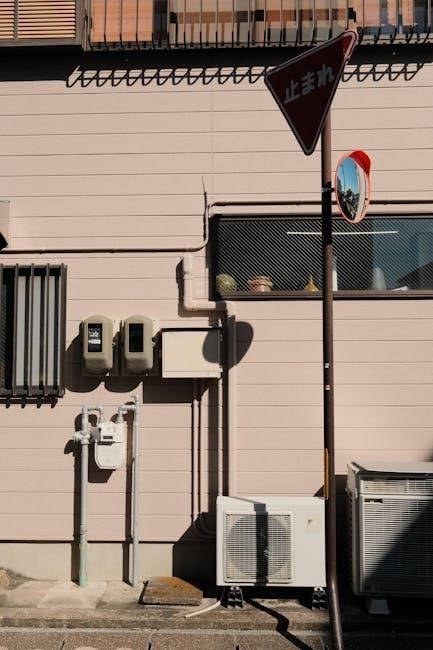
Maintenance and Troubleshooting
Regular upkeep, detailed in Mitsubishi Mr․ Slim manuals, includes air filter cleaning, coil maintenance, and addressing error codes; these guides facilitate efficient troubleshooting and optimal performance․
Understanding common issues and safety precautions during maintenance, as outlined in the documentation, ensures longevity and reliable operation of your system․
Air Filter Cleaning and Replacement
Maintaining clean air filters is crucial for the efficiency and air quality of your Mitsubishi Mr․ Slim system․ The user manuals emphasize regular inspection – typically monthly – and cleaning or replacement as needed, depending on usage and environmental conditions․
Filters capture dust, pollen, and other airborne particles, preventing them from circulating and impacting the unit’s performance․ A clogged filter restricts airflow, forcing the system to work harder, increasing energy consumption, and potentially leading to component failure․
Cleaning usually involves vacuuming the filter to remove loose debris․ For heavily soiled filters, a gentle wash with mild detergent and water is recommended, ensuring it’s completely dry before reinstallation․ Replacement filters should match the specific model number of your Mr․ Slim unit․
The manual provides detailed diagrams illustrating filter location and removal procedures, varying slightly depending on the indoor unit model․ Ignoring filter maintenance can void warranties and compromise indoor air quality, so adherence to the recommended schedule is vital․
Coil Cleaning Procedures
Maintaining clean coils – both the evaporator (indoor) and condenser (outdoor) – is essential for optimal Mitsubishi Mr․ Slim performance․ While the manuals don’t detail a frequent user cleaning schedule, they highlight the importance of professional cleaning when dirt and debris accumulate, impacting heat transfer․
Dirty coils reduce the system’s ability to cool or heat effectively, leading to increased energy consumption and potential compressor damage․ The evaporator coil, located within the indoor unit, requires careful cleaning to avoid damaging delicate fins․
Professional cleaning typically involves using specialized coil cleaners and fin combs to remove dirt without causing harm․ The condenser coil, exposed to the elements, may require periodic rinsing with a gentle stream of water, avoiding high pressure that could bend the fins․
The manuals strongly advise against attempting coil cleaning without proper training and equipment, as improper procedures can lead to costly repairs․ Regular professional maintenance ensures longevity and efficiency of your Mr․ Slim system․
Troubleshooting Common Issues
Mitsubishi Mr․ Slim manuals emphasize that addressing issues promptly can prevent further damage․ Common problems include the unit not cooling or heating, unusual noises, or error code displays․ Before contacting a technician, users can check basic settings like the thermostat and air filter․
Error codes, detailed within the service and operating manuals, provide valuable diagnostic information․ These codes pinpoint specific malfunctions, guiding technicians towards efficient repairs․ For example, a specific code might indicate a refrigerant leak or a sensor failure․
If the unit isn’t operating, verify the power supply and check for tripped circuit breakers․ Unusual noises could signal a mechanical issue requiring professional attention․ The manuals caution against attempting complex repairs without proper training․
Regular maintenance, as outlined in the documentation, minimizes the likelihood of encountering these issues․ Always prioritize safety and consult a qualified technician for any problems beyond basic troubleshooting steps, ensuring the longevity of your system․
Error Code Interpretation
Mitsubishi Mr․ Slim manuals dedicate significant sections to error code interpretation, crucial for effective troubleshooting․ These codes, displayed on the indoor unit, signal specific malfunctions within the system․ The service manuals provide comprehensive lists detailing each code’s meaning and potential causes․
For instance, codes related to sensor failures indicate a need to check wiring or replace the faulty sensor․ Refrigerant-related codes suggest leaks or insufficient charge, requiring a qualified technician․ Compressor errors often point to more serious mechanical issues․
Understanding these codes allows users to communicate issues accurately to service professionals, speeding up the repair process․ The manuals emphasize that attempting repairs based solely on error codes without proper training is discouraged․
Accessing the correct manual – specific to your Mr․ Slim model (like MS24WN or MSY-GE15NA) – is vital, as error code definitions can vary․ Proper interpretation, combined with the manual’s guidance, ensures accurate diagnosis and efficient resolution of system problems․
Safety Precautions During Maintenance
Mitsubishi Mr․ Slim manuals consistently prioritize safety during maintenance procedures․ Disconnecting power to both the indoor and outdoor units is the foremost precaution before any work begins, preventing electrical shock․ Refrigerant handling requires specialized training and equipment, as improper handling can cause frostbite or environmental damage․
When cleaning coils, avoid bending the delicate fins and use only approved cleaning agents․ Protective eyewear and gloves are recommended to shield against debris and chemicals․ Working at heights during outdoor unit maintenance necessitates secure ladders and fall protection․
The manuals strongly advise against attempting repairs beyond basic filter cleaning or coil dusting without qualified technician assistance․ Ignoring safety warnings can lead to personal injury or system damage․ Always consult the manual specific to your Mr․ Slim model (e․g․, MSY-A24NA) for detailed instructions․
Prioritizing these precautions ensures a safe and effective maintenance process, prolonging the lifespan and optimal performance of your Mitsubishi air conditioning system․
Advanced Features and Settings
Mitsubishi Mr․ Slim manuals detail timer programming, energy-saving modes, and remote control customization․ These features optimize comfort and efficiency, enhancing the user experience․
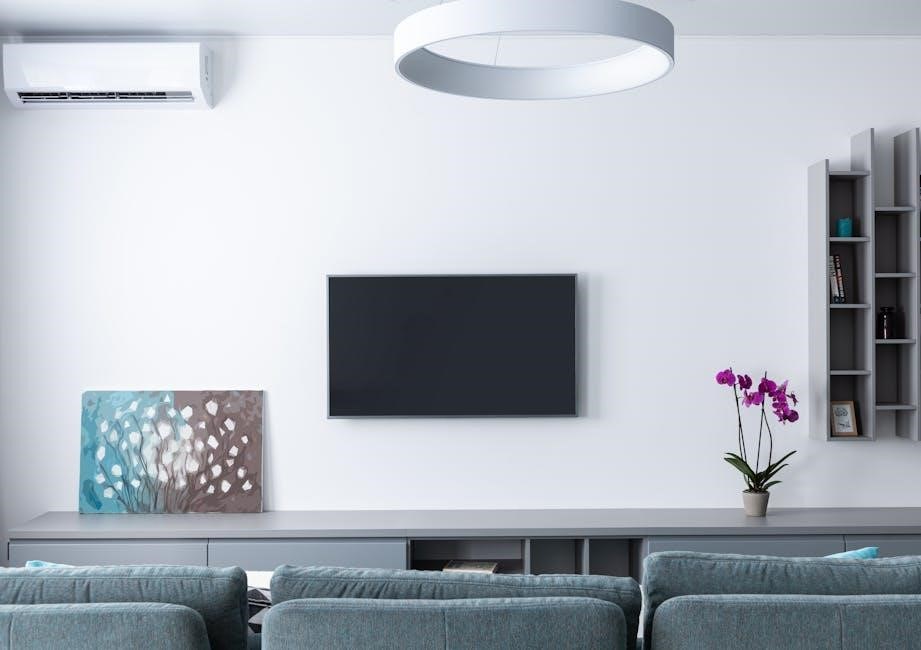
Exploring these settings, as outlined in guides for models like MSH24WN, unlocks the full potential of your air conditioning system․
Timer Functionality and Programming
Mitsubishi Mr․ Slim systems offer robust timer functionalities, detailed within their respective manuals, allowing for precise control over operation schedules․ These timers aren’t simply on/off switches; they provide granular control, enabling users to program multiple start and stop times throughout a single day․
The manuals illustrate how to set real-time timers, which activate the unit at a specific time on a specific date, and weekly timers, which repeat a programmed schedule every week․ Some models even support different timer settings for weekdays and weekends, maximizing convenience and energy savings․
Programming typically involves navigating the remote control’s menu, selecting the timer mode, and inputting the desired times and settings․ The manuals provide step-by-step instructions, often with visual aids, to guide users through the process․ Understanding these features, as detailed in resources for models like MSY-A24NA and MSH24WN, allows for automated climate control, optimizing comfort and reducing energy consumption․
Proper timer setup ensures the system operates only when needed, contributing to lower electricity bills and a more sustainable lifestyle․
Energy Saving Modes
Mitsubishi Mr․ Slim air conditioning units are equipped with several energy-saving modes, comprehensively explained in the product manuals․ These features are designed to minimize power consumption without significantly compromising comfort levels․ A prominent mode is often “Auto Cool,” which intelligently adjusts cooling output based on room temperature and humidity, optimizing efficiency․
Many models also incorporate “Eco Mode,” which further reduces energy usage by limiting compressor speed and fan output․ The manuals detail how these modes function and provide guidance on selecting the most appropriate setting for different environments and user preferences․
Furthermore, some Mr․ Slim systems feature intelligent sensors that detect room occupancy and automatically adjust operation accordingly, preventing energy waste in unoccupied spaces․ Detailed instructions for utilizing these features, applicable to models like MS24WN and SUZ-M-VA-ER series, are readily available in the downloadable manuals․
By leveraging these energy-saving modes, users can significantly reduce their carbon footprint and lower their electricity bills․
Remote Control Advanced Settings
Mitsubishi Mr․ Slim remote controls offer a range of advanced settings, detailed within the unit’s operating instructions manual․ These settings allow for personalized control and optimization of the air conditioning system․ Users can often customize fan speed, adjust the vertical and horizontal airflow direction, and program a 24-hour timer for automated operation․
Advanced features frequently include the ability to set a “sleep mode,” which gradually adjusts the temperature during the night for enhanced comfort and energy savings․ The manuals explain how to access and configure these settings, often involving specific button combinations on the remote․
Furthermore, some models allow for the adjustment of display brightness and the activation of a “self-diagnosis” function, which can help identify potential issues․ Detailed diagrams and explanations within manuals like those for the MSY-A24NA and MSH24WN clarify these advanced functionalities․
Mastering these settings unlocks the full potential of your Mr․ Slim system․